
September 23, 2026
September 23, 2026
Benign skin growths known as “skin tags” can develop on different body areas. Despite the fact that they are harmless, many people want them removed for aesthetic purposes or because they are irritated. Everything you need to know about removing skin tags is included in this blog.
Get expert Skin Tags Removal in Dubai at Derma One Medical Center with personalized treatment options designed to safely and effectively remove unwanted skin tags.
Collagen and blood vessels encircled by skin form the soft, noncancerous growths known as skin tags. They are frequently seen in skin folds, beneath the breasts, on the neck, under the armpits, and on the eyelids.
| Method | Home Removal | Professional Removal |
| Cost | Low | Higher |
| Safety | Risk of scarring or infection | Safe and hygienic |
| Effectiveness | Perhaps sluggish or ineffective | Quick and long-lasting outcomes |
| Accuracy | Misdiagnosis risk | Precise diagnosis and management |
| Comfort | Potential pain | Very little discomfort while numbing |
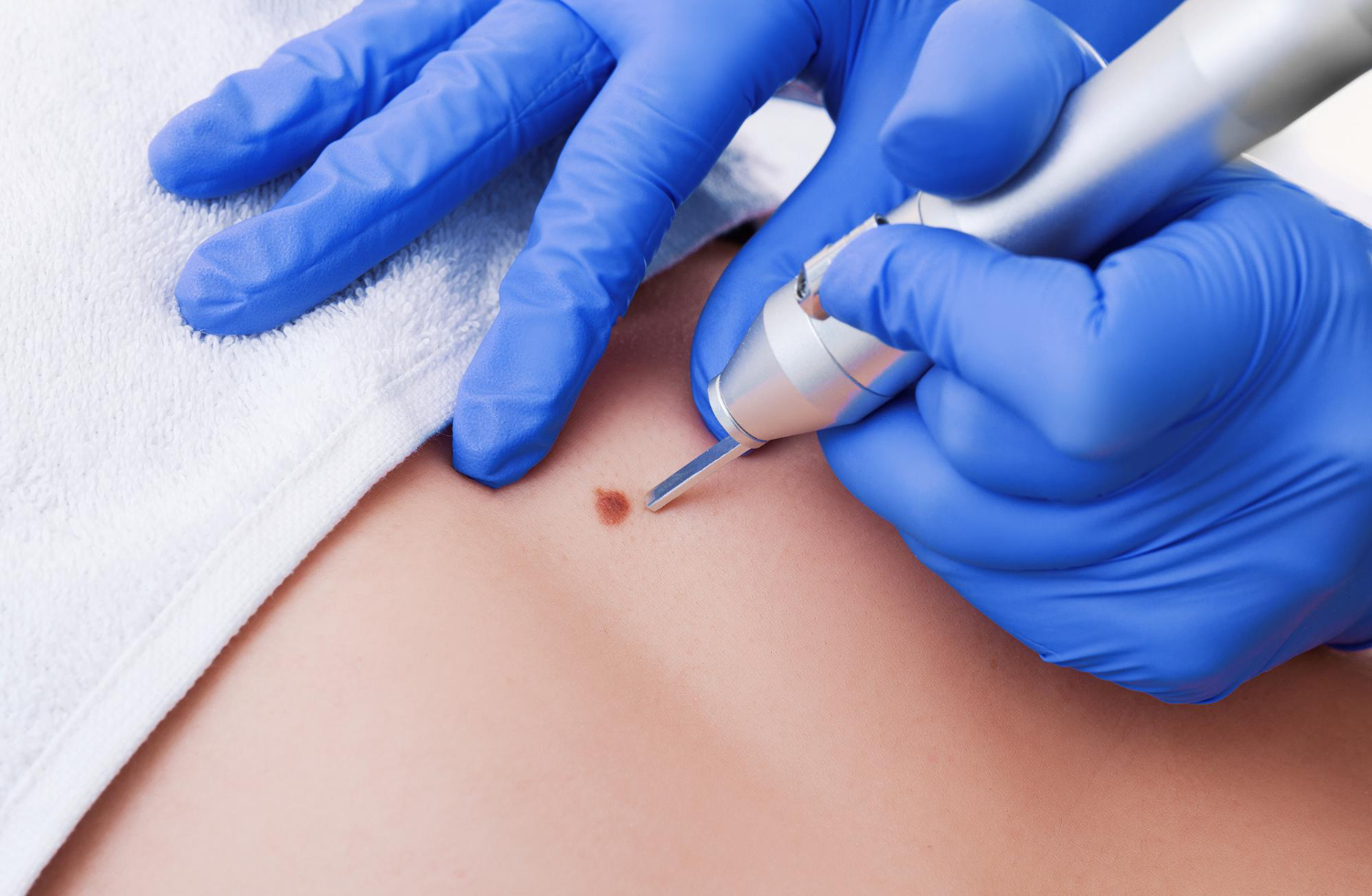
Moles Removal Treatment in Dubai provides customized treatments for undesired moles, choosing the best removal technique according to the moles’ size.
Choosing professional Moles Removal in Dubai ensures that the growth is assessed and treated using an appropriate technique. At Derma One Medical Center, we focus on safe, precise treatment while considering your skin type, the area of the skin tag, and your individual needs.
Our skilled staff at Derma One Medical Center is available to assist you if you’re prepared to treat your skin tags in a safe and efficient manner. In addition to a variety of expert removal alternatives catered to your requirements, we provide individual consultations.
https://share.gemini.google/cXTZwp2rQLEW
Professional removal is the safest method since it reduces the chance of infection and scars. Avoid do-it-yourself techniques, especially in sensitive areas.
A skin tag usually doesn't come back once it is removed; however, over time, new ones could appear in different places.
See a provider if the skin tag bleeds or changes in size or color. Additionally, if it is causing you pain, discomfort, or mental anguish, get treatment.
They may be less common if skin friction is decreased by keeping a healthy weight, dressing loosely, and treating disorders like insulin resistance.
Skin tags often appear in areas where skin experiences frequent friction or rubbing. Common locations include the neck, underarms, eyelids, groin, under the breasts, and inner thighs. They can vary in size and may appear as soft, flesh-coloured or slightly darker growths attached to the skin by a small stalk.
A healthcare professional can remove skin tags using several methods, depending on their size, location, and number. Common options include cryotherapy, which freezes the growth; electrocautery, which uses controlled heat; and snip or shave removal, where the skin tag is carefully cut away. A professional can recommend the most suitable approach after examining the skin tag.
Most professional skin tag removal procedures cause little discomfort. Depending on the technique and location, a healthcare professional may use a local anaesthetic or another method to minimise discomfort. You may experience mild tenderness, redness, or sensitivity afterward, but these effects typically improve as the area heals.
After removal, keep the treated area clean and follow your provider’s aftercare instructions carefully. Avoid picking or scratching the area while it heals, and protect it from unnecessary friction. Depending on the removal method, you may also need to keep the area dry for a specific period or apply a recommended dressing or topical product.
Healing time depends on the removal technique, size of the skin tag, and individual skin response. Minor redness or tenderness may occur initially, followed by gradual healing of the treated area. Following proper aftercare and avoiding irritation can support smoother recovery and help reduce the risk of complications.